Dementia Can Result From Long-term Heavy Use of Which Substance
It is possible that alcohol alone can cause dementia. Alcohol is a toxin that affects the brain in numerous ways especially in chronic drinkers.

The Most Damaging Drugs For Your Brain America S Rehab Campuses
128 Conversely even small amounts of alcohol can potentially intensify the effects of many commonly used prescription eg benzo-diazepines and over-the-counter medications eg antihistamines.

. One way it affects it is through brain atrophy. The drug they come closest to declaring is alcohol but at what point alcohol induced cognitive impairment has to reach to be declared is still obscure and alcohol in moderation can be beneficial it becomes a problem only with heavy or long term abuse. No direct connection has been.
Long term use can result in neurotransmitter and receptor damage and even death. Many experts use the terms alcohol or alcoholic dementia to describe a specific form of ARD characterized by impaired executive function planning thinking and judgment. A recent study even showed higher incidence of Parkinsons disease among past users of methamphetamine.
38 The dental problems may be caused by a. Lorazepam Abuse and Addictive Potential. Alzheimers is the most common cause of dementia.
Some disorders such as dementia may be invisible during much of a persons active drug use only to present with serious symptoms much later. There are 2 ways that dementia can be caused by substance abuse and addiction. A recent meta-analysis on alcohol consumption and cognitive decline in older adults showed moderate drinking was associated with a reduced risk for dementia.
Both alcohol and tobacco can be said that their long term abuse can be a contributing factor in dementia. Another form of ARD is known as wet brain WernickeKorsakoff syndrome characterized by. The Strain of Dementia and its Connection to Heavy Drinking.
MRI brain scans show that alcohol use causes certain parts. Brain damage can result in mental disorders. Heavy drug use and alcoholism especially alcohol poisoning can also lead to dementia symptoms that may decrease after the substance abuse is stopped.
Aging Population Substance Use Disorder Rising. Dopamine cell death can result in a person being unable to experience pleasure or happiness without using a stimulant drug. The chronic use of certain drugs may also increase the risk of cognitive impairment and perhaps dementia in later life.
Of brain damage caused by substance abuse. The acute use of alcohol and several other licit and illicit drugs can affect mental state and cognitive function. 1 Exacerbation of existing emotional or physiological disorders.
Drinking small amounts of alcohol doesnt lead to this dangerous medical condition so having a few drinks per week is considered to be safe. Adderall is a dopamine stimulant meant to treat ADHD. First ethanol and its byproduct acetaldehyde are known to.
In some cases significant cognitive damage has occurred as a result of substance abuse and over the long term a person will need to learn to adjust to life from this altered state. Long-term heavy alcohol use can result in brain damage in the form of dementia or. There is a correlation between long-term alcoholism and binge drinking memory does not remain the same.
Wernicke-korsakoff syndrome Based on these data which racial group likely has the lowest prevalence of alcohol use disorders. However with serious or long-term substance abuse permanent damage may occur resulting in a condition known as substance-induced persisting dementia. Chronic use of marijuana is also known to result in loss of intellectual functions in individuals.
Alcohol-related dementia is a broad term currently preferred among medical professionals. Substance-induced delirium is characterized by a reduced level of consciousness loss of clarity and disorientation. Mental and physical functioning can result from its use makes developing and.
Long-term cognitive impairment found in crack-cocaine abusers. Researchers have studied alcohol-related brain damage and found that in the short-term alcohol can cause slowing of motor functions poor coordination and impairment of memory and judgment. 8 Thus benzodiazepine use may have a lasting impact on dementia risk even after they are stopped.
Drugs like methamphetamine cocaine Adderall and ecstasy affect dopamine and dopamine receptors in the brain. Substance-induced persisting dementia can cause memory problems as well as personality changes such as a continuing loss of inhibition. Research suggests multiple ways heavy alcohol use can lead to dementia.
Chronic abuse of these drugs may increase the risk of developing dementia. This article takes a look at the long-term effects Adderall has on the body and brain suggests best practices for taking Adderall and when to consult your doctor to stop taking Adderall. Substance-induced persisting amnestic disorder is the significant loss of memory both the ability to form new memories and.
In addition to the neurological and behavioral consequences of methamphetamine misuse long-term users also suffer physical effects including weight loss severe tooth decay and tooth loss and skin sores. It can result from consuming alcoholic beverages in great quantities including beer wine liquor spirits and more. Prolonged use or misuse of Adderall can cause several long-term effects in adults and children.
Addiction and alcoholism are often caused at least in part by underlying emotional disorders such as bipolar mania depression and schizophrenia. Using benzodiazepines recently and in the past were each associated with an increased likelihood of dementia compared to no use of benzodiazepines ever. With the rate of dementia and Alzheimers diagnoses the way alcohol intake affects brain health is more than a cause for concern the results are alarming.
This paper focuses on the long-term cognitive consequences of using alcohol benzodiazepines tobacco and cannabis. Long-term alcohol use can cause liver disease heart disease various types of cancers and permanent brain damage. Long-term abuse of these drugs is noted to produce some long-lasting cognitive effects including issues with memory attention and problem-solving.
Dementia is a general term for loss of memory language problem-solving and other thinking abilities that are severe enough to interfere with daily life. The Alzheimers Association defines dementia as follows. Alcohol-induced dementia can be acquired if one gets intoxicated with alcohol regularly.
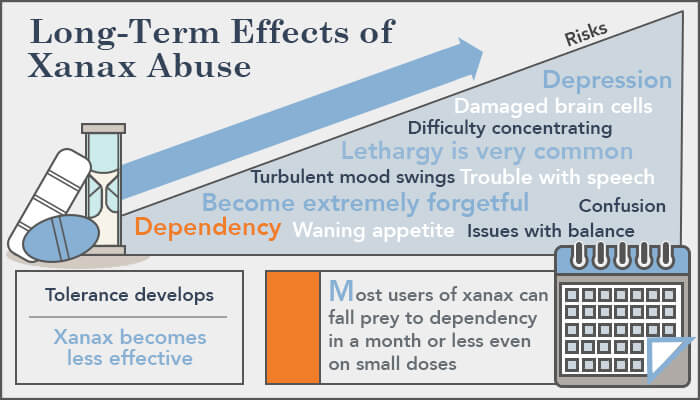
Xanax Side Effects Dangers Long Term Impacts

Alcohol Effects On The Body Short Long Term Effects Help
Alcohol And Dementia Risk Highlighted By Alcohol Concern Alcohol Policy Uk
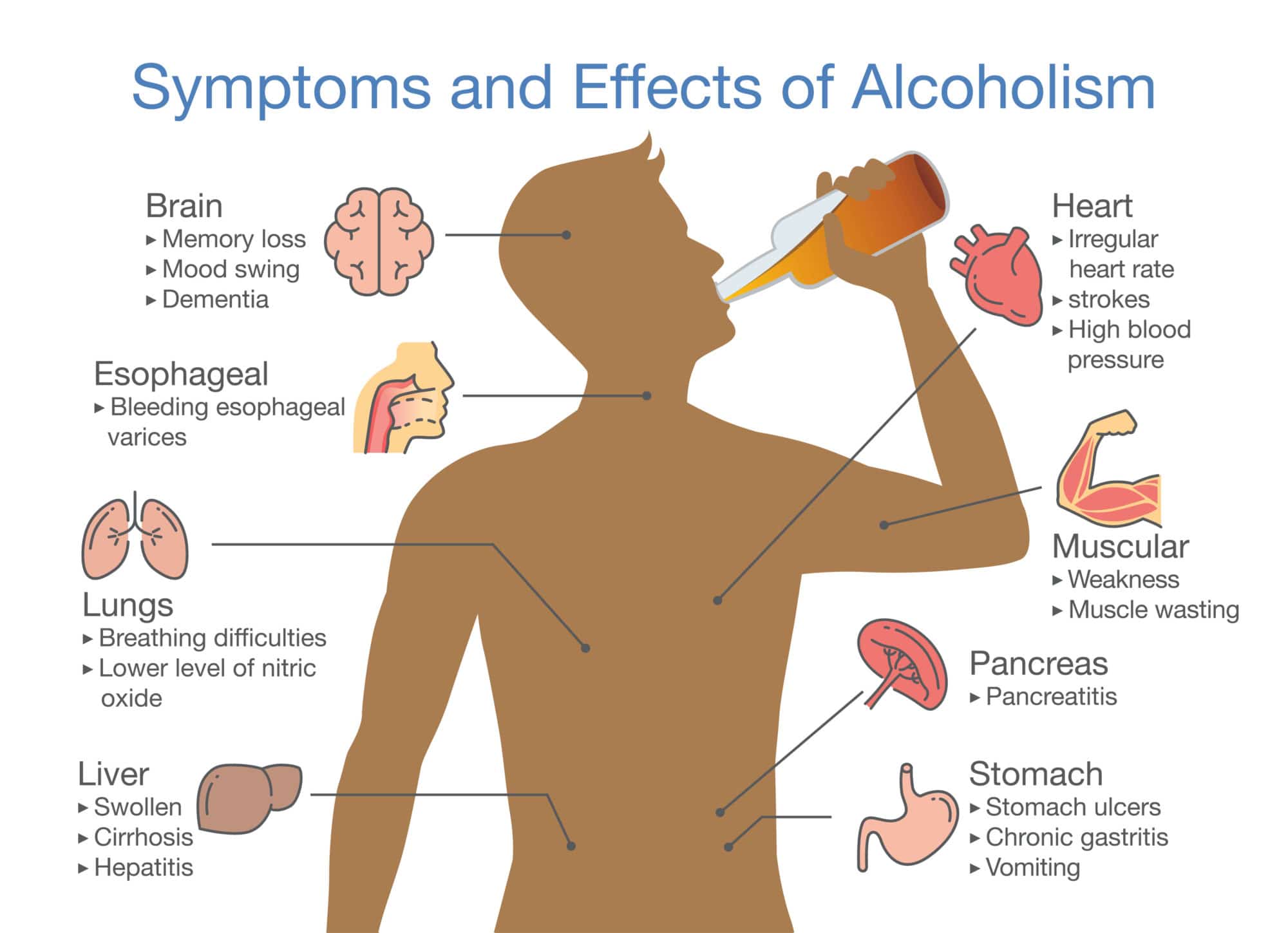
The Long Term Effects Of Alcohol Abuse Can Be Devastating
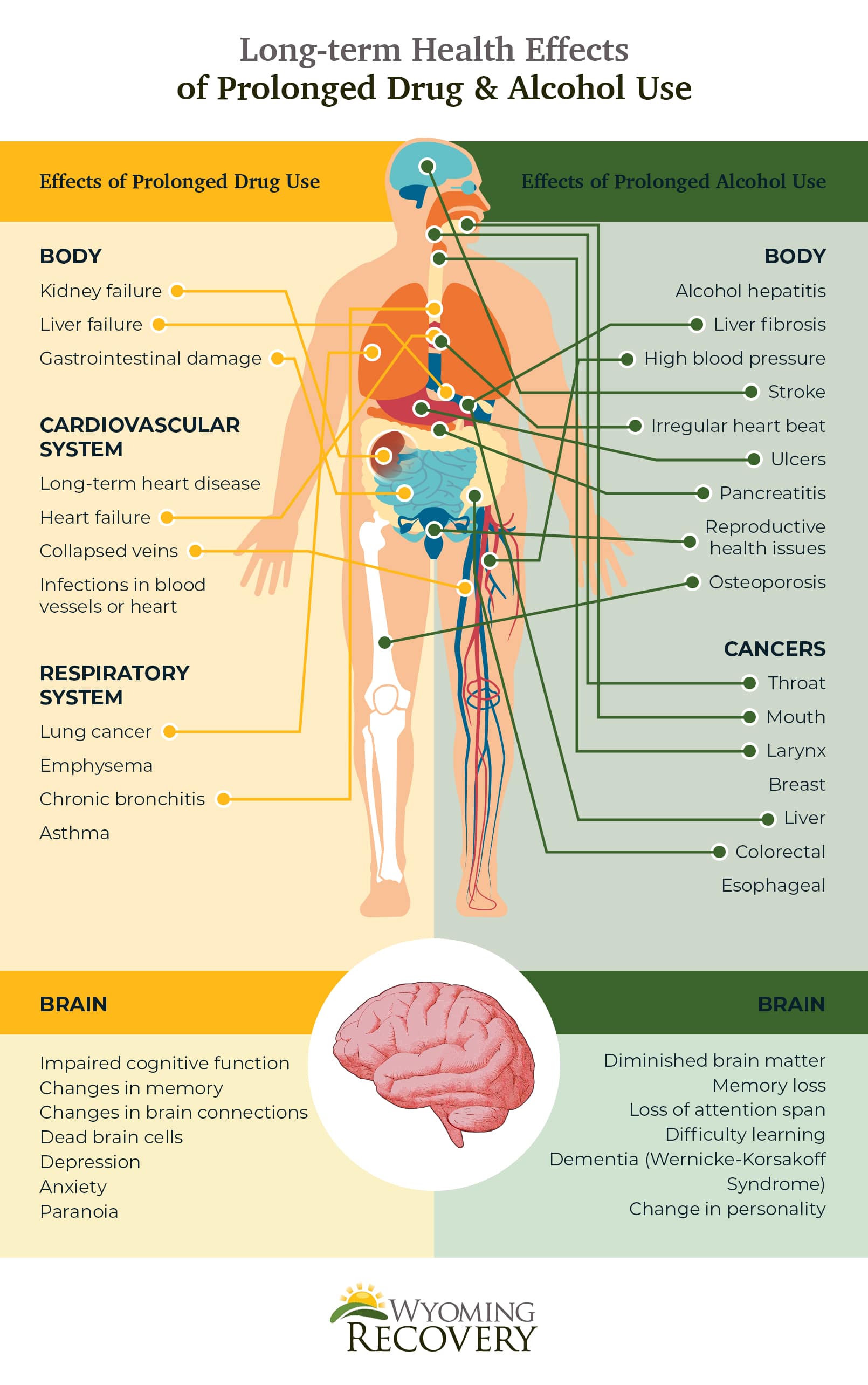
Long Term Health Effects Of Prolonged Drug And Alcohol Use

How Alcohol Affects The Brain Short And Long Term

5 Types Of Medication To Treat Difficult Alzheimer S Behaviors

How Alcohol Affects The Brain Short And Long Term

Dementia Symptoms Types And Causes Helpguide Org

How Alcohol Abuse Affects Your Brain Ohio State Medical Center

Dementia And Substance Abuse The Recovery Village Drug And Alcohol Rehab
2
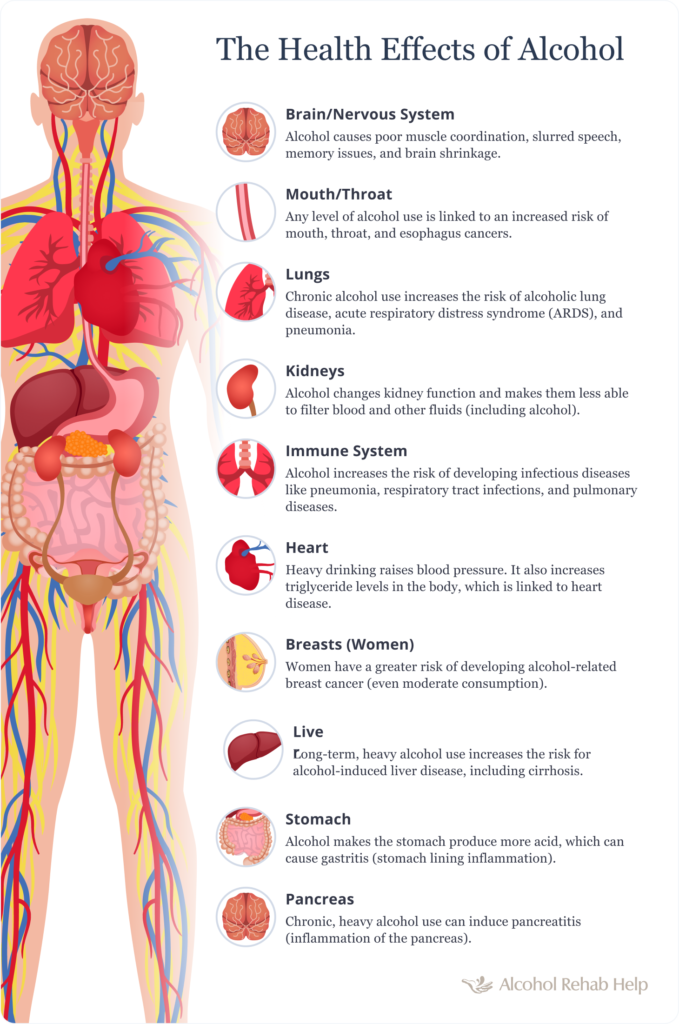
Alcohol Shakes Tremors Why They Happen What To Do
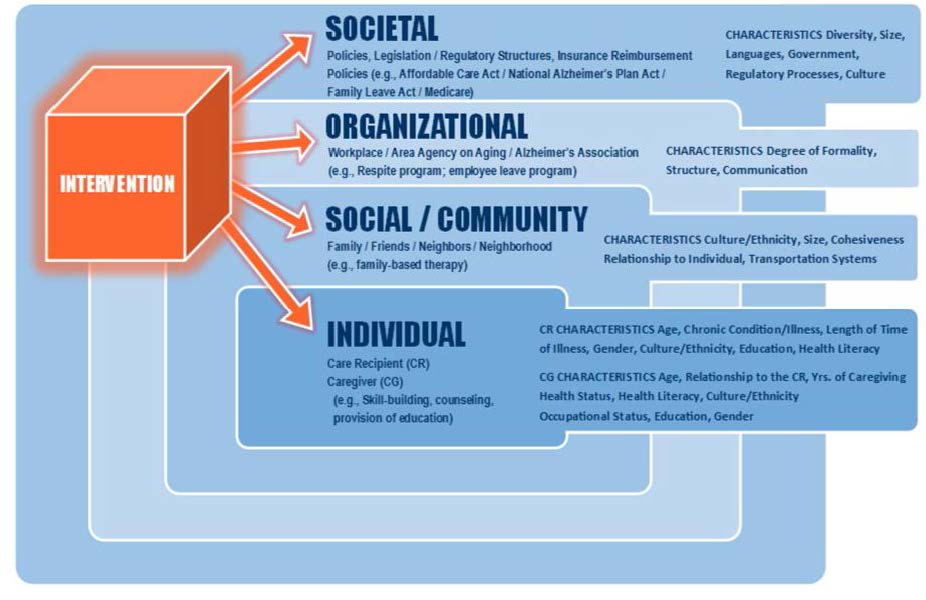
Care Interventions For People Living With Dementia And Their Caregivers Effective Health Care Ehc Program

Alcohol Induced Dementia What You Need To Know Detox Plus Uk

Side Effects Of Seroquel Quetiapine Greenhouse

Alcohol Dementia How Alcohol Impacts Memory Loss
Alcohol Related Dementia And Early Onset Alzheimer S Disease

What Are The Long Term Effects Of Adderall Use Goodrx
Comments
Post a Comment